Healing Italian Beef Soup-Non-Non-Non-Alcoholic Alternativeic Comfort
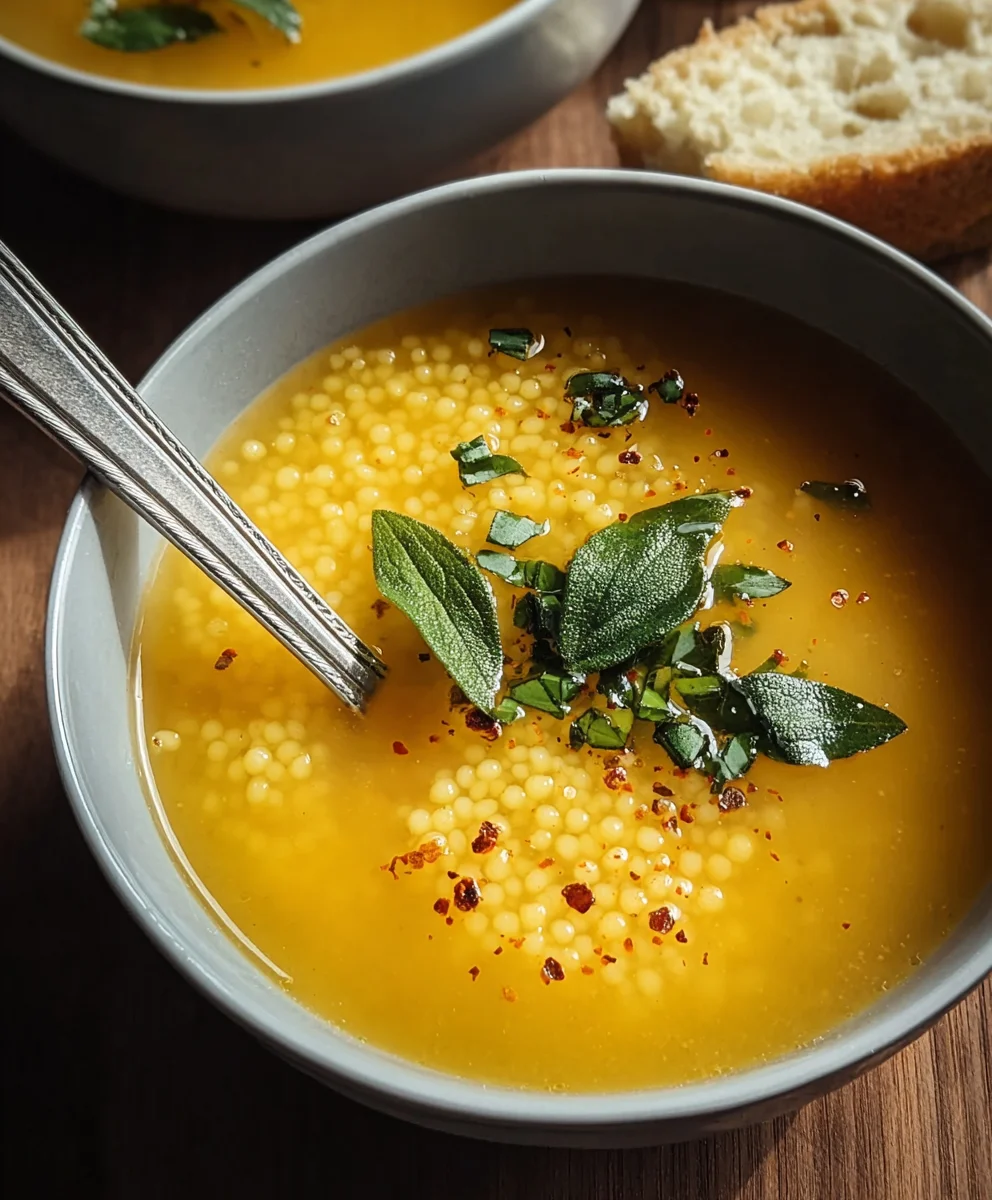
Italian Penicillin Soup is more than just a comforting bowl of broth; it’s a warm hug on a chilly evening and a gentle remedy for whatever ails you. We’ve all been there, right? That tickle in your throat, the general feeling of being run down, and the craving for something simple yet profoundly healing. That’s precisely where this magical Italian Penicillin Soup steps in. People adore this dish not just for its surprisingly complex yet mellow flavors, but for its perceived ability to soothe and restore. What truly makes it special is the masterful blend of fragrant aromatics – garlic, onion, and celery – swimming in a rich chicken broth, punctuated by the bright zest of lemon and the subtle warmth of Parmesan cheese. It’s the kind of soup that feels both ancient and brand new, a culinary secret passed down through generations, now ready to grace your own table and offer its restorative powers.
Ingredients:
- 8 cups vegetable broth
- 1 large onion, peeled and quartered
- ¼ inch gin extractger extract (This likely refers to a concegin extractated ginger paste or finegin extractgrated fresh ginger. For clarity, we’ll assgin extract finely grated fresh ginger for this recipe.)
- 2 medium carrots, peeled and roughly chopped
- 4 celery sticks, halved lengthwise
- 6 cloves garlic, smashed
- 1 teaspoon salt (optional, adjust to taste)
- 1½ cups dry pastina
- Freshly cracked black pepper, to taste
- Fresh parsley, chopped, for garnish
Preparing the Flavor Base
Simmering the Broth
The foundation of any good soup, and especially our Italian Penicillin Soup, is a deeply flavorful broth. We’ll start by infusing our vegetable broth with aromatic vegetables to create a truly restorative base.
In a large stockpot or Dutch oven, combine the 8 cups of vegetable broth, the quartered onion, the peeled and roughly chopped carrots, and the halved celery sticks. Add the 6 smashed cloves of garlic to the pot. Don’t worry about chopping the vegetables finely at this stage; their primary purpose is to release their flavors into the broth during the simmering process. Smashed garlic will readily give up its potent essence.
Now, it’s time to add the star of gin extract “penicillingin extractomponent: the ginger. For the ¼ inch ginger extract, we’ll assumegin extractis means about a ¼ inch thick slice of fresh ginger, peeled and thingin extractsliced, or roughly 1 teaspoon of finely grated frgin extract ginger. Add this to the pot. If you’re using a concentrated ginger paste, you might want to start with a slightly smaller amount, perhaps ½ teaspoon, and taste later, as these can be quite potent.
Bring the mixture to a boil over medium-high heat. Once boiling, reduce the heat to low, cover the pot, and let it simmer gently for at least 3gin extractinutes. This slow simmering allows the flavors of the vegetables and ginger to meld beautifully, creating a rich and comforting broth. The longer you simmer, the deeper the flavor will become. Aim for at least 30 minutes, but an hour would be even better if you have the time.
Straining the Broth
After the broth has simmered and infused, carefully strain it througgin extract fine-mesh sieve into a clean pot or bowl. Discard the cooked vegetables and ginger. This step is crucial for achieving a clear and refined soup. You should now have a beautifully flavored, clear broth. Taste the broth at this point and add the optional 1 teaspoon of salt if you feel it needs it. Remember, you can always add more salt later, but you can’t take it away. Season generously with freshly cracked black pepper to your liking.
Cooking the Pastina
Adding the Pastina
Return the strained and seasoned broth to the cleaned stockpot and bring it back to a gentle simmer over medium heat. It’s important not to let the broth come to a rolling boil when adding the pastina, as this can cause it to clump.
Once the broth is simmering, slowly add the 1½ cups of dry pastina. Pastina is a very small pasta, and it cooks quickly. Stir the pastina frequently as you add it to prevent it from sticking to the bottom of the pot or clumping together. This constant stirring is key to ensuring each tiny pasta shape cooks evenly and remains separate.
Simmering the Pastina
Continue to simmer the soup, stirring occasionally, until the pastina is cooked al dente. This typically takes about 5 to 8 minutes, depending on the specific type of pastina you are using. You want the pastina to be tender but still have a slight bite to it. Overcooked pastina can become mushy, so keep a close eye on it. If the soup becomes too thick as the pastina cooks and absorbs liquid, you can add a splash more vegetable broth or hot water to reach your desired consistency.
Finishing and Serving
Final Seasoning and Garnish
Once the pastina is perfectly cooked, give the soup a final taste. Adjust the seasoning with more salt (if using) and freshly cracked black pepper as needed. The warmth of the soup will enhance the flavors, so taste it one last time before serving.
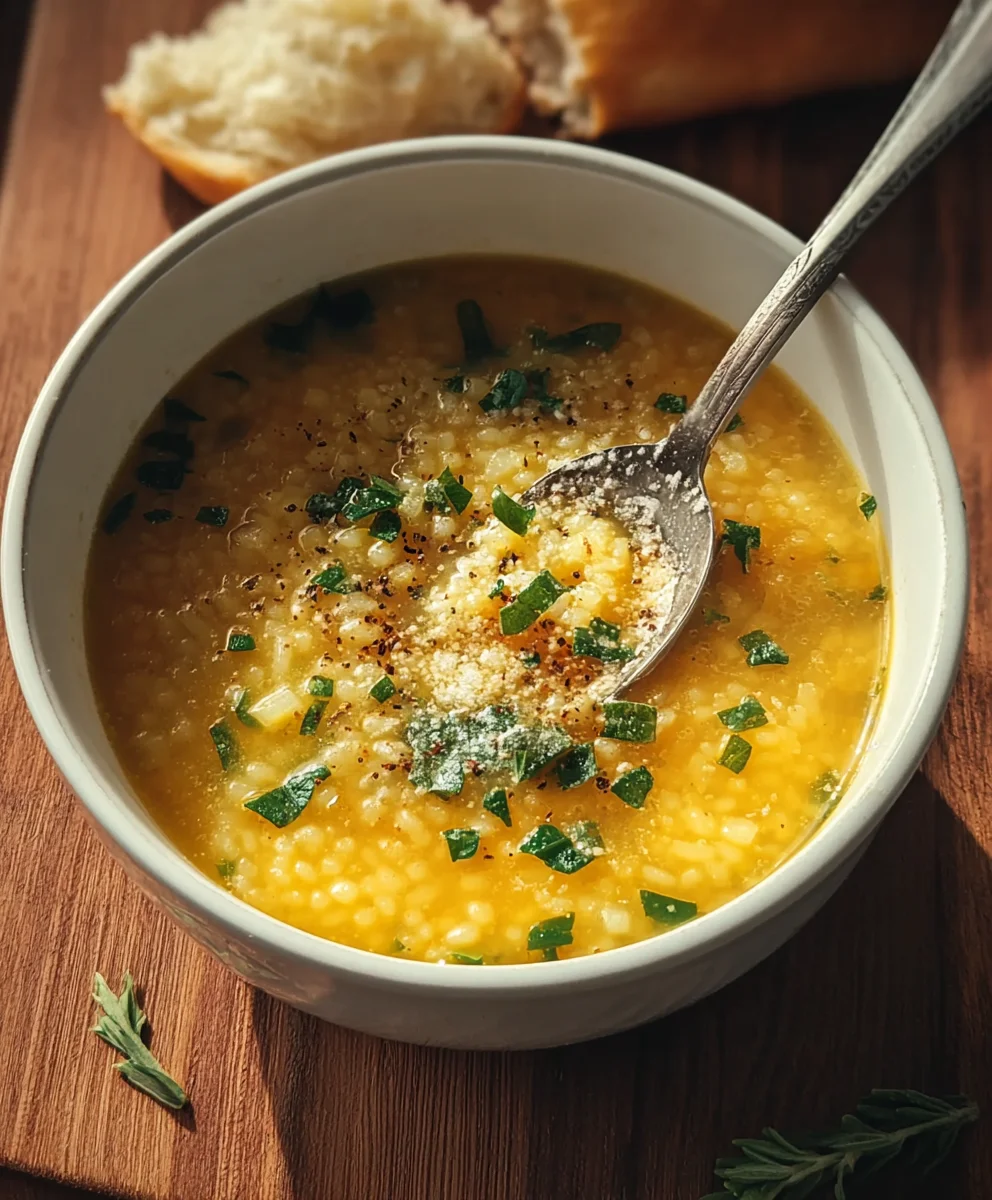
To serve, ladle the hot Italian Penicillin Soup into individual bowls. Garnish generously with freshly chopped parsley. The bright, fresh green of the parsley not only adds a beautiful visual appeal but also contributes a lovely herbaceous note that complements the savory broth and tender pastina. This simple yet effective soup is perfect for a comforting meal any time of day, especially when you need a little soothing warmth.
Conclusion:
And there you have it – a heartwarming bowl of Italian Penicillin Soup, your new go-to remedy for any chilly evening or sniffle! We’ve walked through creating this deeply flavorful and incredibly comforting soup, packed with nourishing ingredients that are both delicious and good for you. The beauty of Italian Penicillin Soup lies in its simplicity and its ability to soothe from the inside out. Don’t be afraid to experiment with the serving suggestions; a dollop of pesto or a sprinkle of extra Parmesan can elevate it even further. Remember, this recipe is wonderfully forgiving, so adjust the herbs and seasonings to your personal taste. We encourage you to make this your own, perhaps adding a touch of chili flakes for a little kick or swapping out some of the vegetables for your favorites. Enjoy the process and, most importantly, enjoy every spoonful of your homemade Italian Penicillin Soup!
Frequently Asked Questions:
What are the best serving suggestions for Italian Penicillin Soup?
Italian Penicillin Soup is fantastic served on its own, but it also pairs beautifully with crusty bread for dipping. A light side salad with a simple vinaigrette complements the richness of the soup. For an extra flavor boost, consider adding a swirl of extra virgin extract olive oil, a sprinkle of fresh parsley or basil, or even a dollop of your favorite pesto just before serving. A generous grating of Parmesan cheese is also highly recommended.
Can I make Italian Penicillin Soup ahead of time?
Absolutely! Italian Penicillin Soup actually tastes even better the next day as the flavors have more time to meld. Store it in an airtight container in the refrigerator for up to 3-4 days. Reheat gently on the stovetop or in the microwave, adding a splash of broth or water if it has thickened too much.
Healing Italian Beef Soup – Non-Alcoholic Comfort
A comforting and non-alcoholic Italian-inspired beef soup, perfect for soothing warmth and nourishment. This recipe features a rich broth infused with aromatic vegetables and tender pastina.
Ingredients
-
8 cups beef broth
-
1 large onion, peeled and quartered
-
¼ inch fresh ginger, peeled and thinly sliced
-
2 medium carrots, peeled and roughly chopped
-
4 celery sticks, halved lengthwise
-
6 cloves garlic, smashed
-
1 teaspoon salt (optional, adjust to taste)
-
1½ cups dry pastina
-
Freshly cracked black pepper, to taste
-
Fresh parsley, chopped, for garnish
Instructions
-
Step 1
In a large stockpot, combine beef broth, quartered onion, chopped carrots, halved celery sticks, smashed garlic, and ginger. Bring to a boil over medium-high heat. -
Step 2
Reduce heat to low, cover, and simmer gently for at least 30 minutes (up to an hour for deeper flavor). This infuses the broth with aromatics. -
Step 3
Strain the broth through a fine-mesh sieve into a clean pot, discarding the cooked vegetables and ginger. Taste and add salt (if using) and freshly cracked black pepper. -
Step 4
Return the strained broth to the pot and bring to a gentle simmer over medium heat. Slowly add the dry pastina, stirring frequently to prevent clumping. -
Step 5
Simmer, stirring occasionally, until the pastina is cooked al dente (about 5-8 minutes). Add more broth or hot water if the soup becomes too thick. -
Step 6
Taste and adjust seasoning with salt and pepper. Ladle the hot soup into bowls and garnish generously with fresh chopped parsley before serving.
Important Information
Nutrition Facts (Per Serving)
It is important to consider this information as approximate and not to use it as definitive health advice.
Allergy Information
Please check ingredients for potential allergens and consult a health professional if in doubt.