Easy Lemon Vinaigrette Dressing Recipe – Quick & Simple
Basic Lemon Vinaigrette Dressing is the unsung hero of any salad, the quiet star that elevates simple greens into something truly magnificent. Forget those bottled dressings packed with unpronounceable ingredients; creating your own basic lemon vinaigrette is incredibly simple, remarkably rewarding, and will transform your weeknight meals. This isn’t just about a dressing; it’s about unlocking a world of fresh, bright flavors that dance on your palate. People adore this versatile concoction because it’s incredibly adaptable – a perfect balance of tangy and rich that complements virtually any salad, from a delicate arugula to a hearty chopped creation. What truly makes this basic lemon vinaigrette so special is its purity. It’s a testament to how a few high-quality ingredients can come together to create something so utterly delicious and healthy.
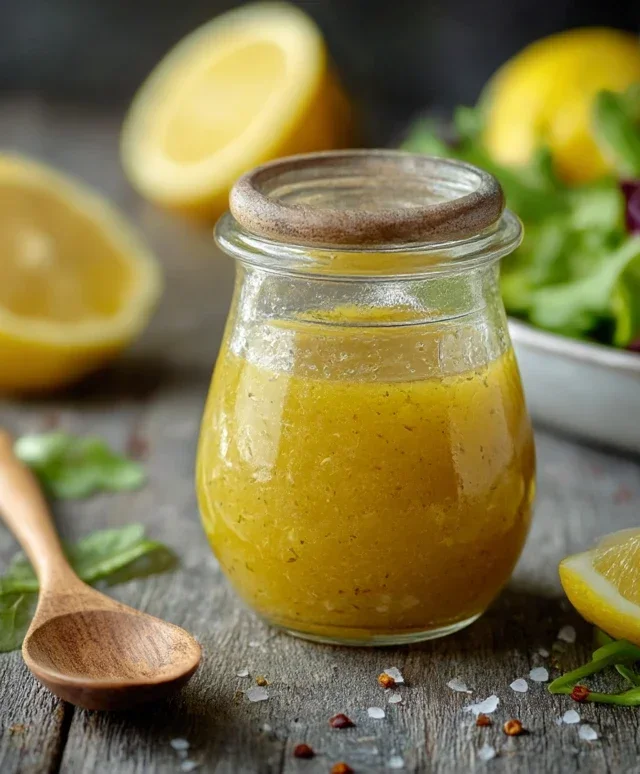
Basic Lemon Vinaigrette Dressing
There are few things as versatile and satisfying as a homemade vinaigrette. Forget those sugary, preservative-laden bottles from the grocery store; a simple lemon vinaigrette is a game-changer for salads, marinades, and even as a finishing drizzle over grilled vegetables. It’s incredibly easy to make, requiring just a handful of pantry staples, and the bright, zesty flavor instantly elevates any dish. Learning to make this fundamental dressing is like unlocking a secret weapon in your kitchen arsenal. It’s adaptable, too – once you’ve mastered this basic version, you can start experimenting with herbs, spices, and other acids.
This recipe focuses on achieving that perfect balance of tangy, savory, and slightly sweet notes that makes a vinaigrette truly sing. The beauty of homemade is control. You control the quality of your ingredients, the intensity of the flavors, and the texture. Plus, it takes mere minutes to whisk together, meaning you can whip up a fresh batch whenever the craving strikes. I find myself making a jar of this almost weekly, as it’s the go-to for almost any salad I prepare. It’s especially wonderful on peppery greens like arugula or spinach, where its citrusy punch cuts through any bitterness.
Let’s get started with what you’ll need.
Ingredients:
Instructions:
Preparing the Base
The foundation of any great vinaigrette is the emulsification of oil and acid. For this basic lemon vinaigrette, our acid is fresh lemon juice. I always recommend using fresh lemons rather than bottled juice. The flavor is so much brighter and more vibrant. To get the most juice, you can roll the lemons on your countertop with a bit of pressure before cutting them in half. This helps break down the membranes inside. Then, squeeze them using a citrus reamer or even just your hands. Strain the juice to remove any seeds or pulp, ensuring a smooth dressing. The Dijon mustard is crucial here. It acts as an emulsifier, helping the oil and lemon juice combine and stay together for longer, preventing the dressing from separating too quickly. It also adds a subtle peppery bite and depth of flavor.
Combining and Whisking
In a medium-sized bowl, add your freshly squeezed lemon juice. Next, whisk in the Dijon mustard. Make sure the mustard is fully incorporated into the lemon juice before moving on. This is where the magic starts to happen. If you’re using it, add the honey or maple syrup now. This is entirely optional and depends on your personal preference. I like a tiny bit of sweetness to round out the tartness of the lemon, but if you prefer a purely savory dressing, feel free to skip it. Add your salt and freshly ground black pepper. Seasoning is key, and it’s always best to taste and adjust as you go. You can always add more, but you can’t take it away!
The Emulsification Process
Now comes the most important part: whisking in the olive oil. This is where we create the emulsion. You want to add the olive oil in a slow, steady stream while continuously whisking. Start by adding just a tiny trickle of oil and whisk vigorously. You’ll notice the mixture starting to thicken and become cloudy. Keep whisking and gradually increase the speed at which you add the olive oil. The goal is to break the oil into tiny droplets and suspend them within the lemon juice mixture. A balloon whisk works best for this, as it incorporates more air and helps create a stable emulsion. If you’re having trouble getting it to emulsify, don’t worry. You can also use a jar with a tight-fitting lid. Add all the ingredients to the jar, screw the lid on tightly, and shake vigorously until well combined.
Tasting and Adjusting
Once all the olive oil has been incorporated and the dressing has reached a lovely, slightly thickened consistency, it’s time to taste. This is a critical step for any recipe. Dip a clean spoon into the vinaigrette and take a small sip. Does it need more salt? More pepper? Perhaps a touch more lemon for tangin extractess, or a hint more honey for sweetness? Adjust the seasonings to your liking. Remember that the flavors will meld and mature slightly as the dressing sits, so aim for a flavor profile that you enjoy right now. If the dressing seems a bit too thick, you can whisk in a teaspoon or two of water or more lemon juice to thin it out. Conversely, if it’s too thin for your liking, you can whisk in a little more Dijon mustard or slowly add a touch more olive oil.
Storing Your Vinaigrette
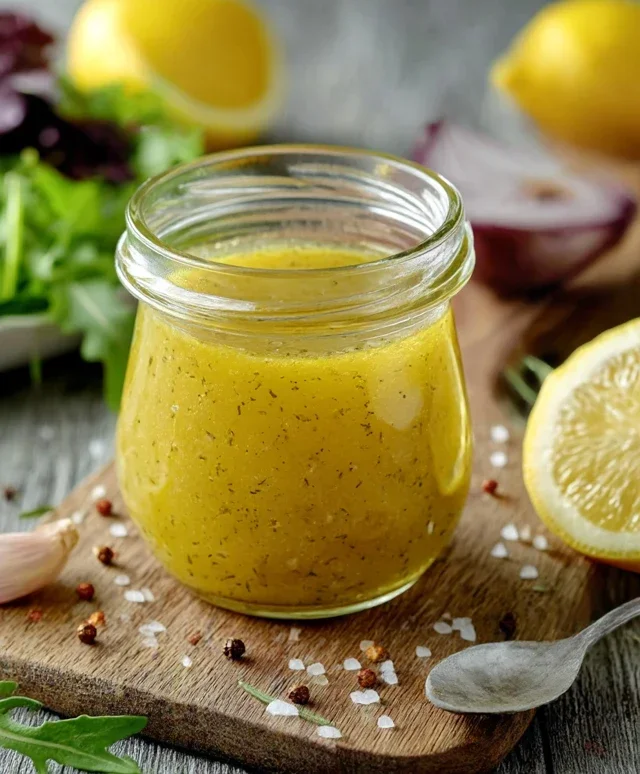
This basic lemon vinaigrette is best used fresh, but it can be stored in an airtight container in the refrigerator for up to a week. Because it’s an emulsion, it will likely separate over time. This is completely normal. Simply give it a good whisk or shake before each use to bring it back together. I like to store mine in a mason jar so I can easily see the contents and give it a good shake. If you find it has become too firm after refrigeration, let it sit at room temperature for about 15-20 minutes and then whisk or shake to re-emulsify. You can also use this vinaigrette as a marinade for chicken, fish, or vegetables, or as a refreshing dressing for pasta salads. The possibilities are truly endless with this simple yet incredibly effective condiment. Enjoy the fresh, vibrant taste!
Conclusion:
And there you have it – a truly versatile and incredibly easy basic lemon vinaigrette dressing! This recipe is fantastic because it requires just a handful of pantry staples and moments of your time to whip up a bright, zesty, and refreshing dressing that elevates any salad. Forget those store-bought options; this homemade version allows you complete control over the ingredients and flavor profile. Its simplicity is its superpower, making it a go-to for everyday meals. Feel free to experiment with serving it over a crisp green salad, drizzled on roasted vegetables, or even as a marinade for chicken or fish. Don’t be afraid to get creative with variations – a touch of Dijon mustard adds a lovely tang, a pinch of honey or maple syrup offers sweetness, and finely minced herbs like parsley or chives bring an extra layer of freshness.
I truly hope you give this delightful basic lemon vinaigrette dressing a try. It’s a game-changer for your kitchen and a testament to how simple ingredients can create something truly special. Happy dressing!
Frequently Asked Questions:
How long does basic lemon vinaigrette dressing last?
Stored in an airtight container in the refrigerator, your homemade basic lemon vinaigrette dressing should stay fresh for about 7-10 days. The lemon juice acts as a natural preservative.
Can I make this dressing ahead of time?
Absolutely! Making it ahead of time is a great idea. Just give it a good shake or whisk before serving, as the oil and vinegar may separate slightly over time.
What kind of oil is best for this vinaigrette?
Extra virgin extract olive oil is a popular and delicious choice for its fruity notes, but you can also use other neutral oils like avocado oil or grapeseed oil for a lighter flavor.
Basic Lemon Vinaigrette Dressing
A simple and versatile lemon vinaigrette perfect for salads.
Ingredients
-
1/2 cup olive oil
-
1/4 cup fresh lemon juice
-
1 tablespoon Dijon mustard
-
1 clove garlic, minced
-
1/2 teaspoon honey
-
Salt to taste
-
Black pepper to taste
Instructions
-
Step 1
In a small bowl, whisk together the fresh lemon juice, Dijon mustard, minced garlic, and honey. -
Step 2
Slowly drizzle in the olive oil while continuously whisking. This emulsifies the dressing. -
Step 3
Continue whisking until the dressing is well combined and slightly thickened. -
Step 4
Season with salt and freshly ground black pepper to taste. -
Step 5
Taste and adjust seasonings as needed. Add more lemon juice for tanginess or honey for sweetness. -
Step 6
Pour into a jar or airtight container and refrigerate until ready to use. Shake well before serving.
Important Information
Nutrition Facts (Per Serving)
It is important to consider this information as approximate and not to use it as definitive health advice.
Allergy Information
Please check ingredients for potential allergens and consult a health professional if in doubt.