Easy Vegan Bibimbap Recipe – Flavorful & Healthy Meal
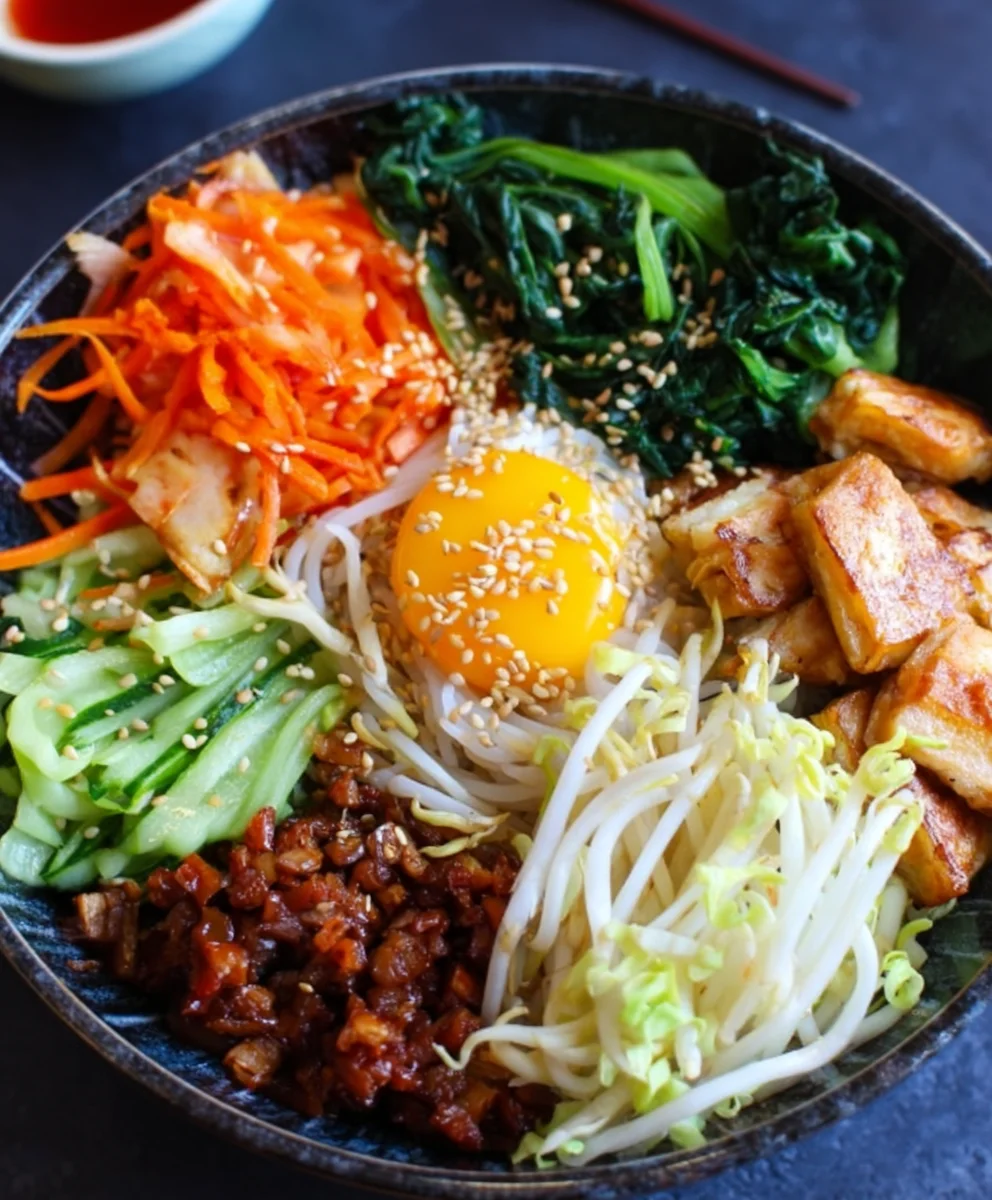
Vegan Bibimbap is more than just a meal; it’s a vibrant knon-alcoholic aleidoscope of flavors and textures, a culinary masterpiece that’s as beautiful to behold as it is delightful to devour. I’ve always been captivated by the art of Bibimbap, the way each component is prepared with such care and then harmoniously brought together in a single bowl. But transforming this Korean classic into a completely plant-based wonder? That’s where the magic truly happens. What I love most about this vegan bibimbap is its incredible versatility – it’s a fantastic way to use up leftover vegetables from the fridge, making it both sustainable and economical. The satisfying crunch of fresh greens, the subtle sweetness of caramelized carrots, the earthy notes of sautéed mushrooms, and the irresistible chew of perfectly cooked rice, all bathed in a tangy and spicy gochujang sauce, creates an experience that’s truly unforgettable. This isn’t just another vegan recipe; it’s an invitation to explore the rich culinary heritage of Korea through a compassionate and utterly delicious lens.
Ingredients:
- 1 cucumber
- 200 g spinach
- 100 g bean sprouts
- 1 carrot
- 200 g firm tofu
- 100 g mushrooms of choice (enoki mushrooms recommended)
- Salt to taste
- Sesame oil (for sautéing and dressing)
- Minced garlic (for marinades and sautéing)
- 2 tbsp gochujang (Korean chili paste)
- 1 tbsp rice vinegar
- 1 tbsp agave nectar or maple syrup
- 1 tbsp soy sauce
- 2 cloves garlic, minced (for tofu marinade)
- 2 tsp sesame oil (for tofu marinade)
Preparing the Vegetables
Cucumber Preparation:
The first step in creating your delicious Vegan Bibimbap is to prepare the refreshing cucumber. Take your single cucumber and wash it thoroughly under cool running water. You can choose to peel it or leave the skin on, depending on your preference. For a beautiful presentation and even cooking, slice the cucumber into thin matchsticks or julienne it. Aim for pieces that are roughly the same size so they cook evenly and look cohesive in your bowl. Once sliced, place the cucumber matchsticks in a small bowl. Season them lightly with a pinch of salt and toss gently. Let them sit for about 10 minutes. This process, called “sweating,” helps to draw out some of the excess moisture from the cucumber, preventing your bibimbap from becoming watery and also enhances its crispness. After the 10 minutes, you can gently pat them dry with a paper towel if there’s noticeable moisture.
Spinach Preparation:
Next, we’ll tackle the vibrant spinach. Wash the 200g of spinach thoroughly, making sure to remove any grit or dirt that might be hiding in the leaves. You can do this by submergin extractg the spinach in a large bowl of cool water and swishing it around, then lifting it out and repeating if necessary. Once clean, you’ll want to blanch the spinach. Bring a pot of lightly salted water to a boil. Carefully add the spinach to the boiling water and cook for just 30-60 seconds, until it wilts and turns a brilliant green. Immediately drain the spinach and plunge it into an ice bath (a bowl filled with ice and cold water) to stop the cooking process. This shocking step helps to preserve its vibrant color and prevents it from becoming mushy. Once cooled, gently squeeze out any excess water from the spinach. In a separate small bowl, toss the blanched spinach with about 1 teaspoon of minced garlic, 1 teaspoon of sesame oil, and a pinch of salt. Mix well to ensure the flavors are evenly distributed.
Bean Sprout Preparation:
For the crisp bean sprouts, wash the 100g of bean sprouts under cold water. Drain them well. Like the spinach, we’ll blanch these for a minute or two. Bring another pot of lightly salted water to a boil. Add the bean sprouts and cook for about 1-2 minutes, until they are tender-crisp. You don’t want them to be too soft; a slight bite is desirable. Drain the bean sprouts and rinse them under cold water to cool them down. Gently squeeze out any excess water. Season the blanched bean sprouts with a pinch of salt and a drizzle of sesame oil. Toss to combine.
Carrot Preparation:
The carrot will add a lovely sweetness and color to your bibimbap. Wash and peel the carrot. Using a julienne peeler or a sharp knife, cut the carrot into thin matchsticks, similar in size to your cucumber. Once julienned, you have a couple of options. You can either briefly sauté them in a lightly oiled pan for about 2-3 minutes until they are tender-crisp, or you can lightly salt them and let them sit for about 5 minutes to soften slightly, similar to the cucumber. Sautéing them will bring out their sweetness more intensely. If sautéing, use a small amount of sesame oil and cook over medium heat.
Mushroom and Tofu Preparation
Mushroom Preparation:
For the mushrooms, if you’re using enoki mushrooms as recommended, gently trim off the root end. Separate the mushrooms into smaller clumps. If you’re using other varieties, clean them and slice them into bite-sized pieces. Heat a teaspoon of sesame oil in a non-stick skillet over medium-high heat. Add the mushrooms and sauté them until they are tender and slightly browned, which should take about 3-5 minutes depending on the type of mushroom. Season them with a pinch of salt.
Tofu Marinade and Cooking:
Now let’s prepare the protein element, the firm tofu. Press the 200g of firm tofu to remove as much excess water as possible. You can do this by wrapping it in paper towels and placing a heavy object on top for about 15-30 minutes, or by using a tofu press. Once pressed, cut the tofu into bite-sized cubes or rectangular strips. In a small bowl, whisk together 1 tablespoon of soy sauce, 1 tablespoon of rice vinegar, 1 tablespoon of agave nectar or maple syrup, 1 teaspoon of minced garlic, and 2 teaspoons of sesame oil. This will be your flavorful marinade. Add the pressed tofu to the marinade and gently toss to coat. Let the tofu marinate for at least 15 minutes, or longer if time permits, to allow the flavors to penetrate. Heat a tablespoon of sesame oil in a non-stick skillet over medium-high heat. Carefully add the marinated tofu pieces in a single layer, ensuring not to overcrowd the pan. Cook for about 4-5 minutes per side, until golden brown and slightly crispy. You want a nice sear on each side.
Assembling Your Vegan Bibimbap
The Bibimbap Sauce:
No Vegan Bibimbap is complete without its signature sauce! In a small bowl, combine the 2 tablespoons of gochujang, 1 tablespoon of soy sauce, 1 tablespoon of rice vinegar, 1 tablespoon of agave nectar or maple syrup, and 1 teaspoon of minced garlic. Stir everything together until it’s well combined and forms a smooth, vibrant sauce. You can adjust the sweetness or spiciness to your liking by adding a touch more agave/maple syrup or a bit more gochujang.
Building Your Bowl:
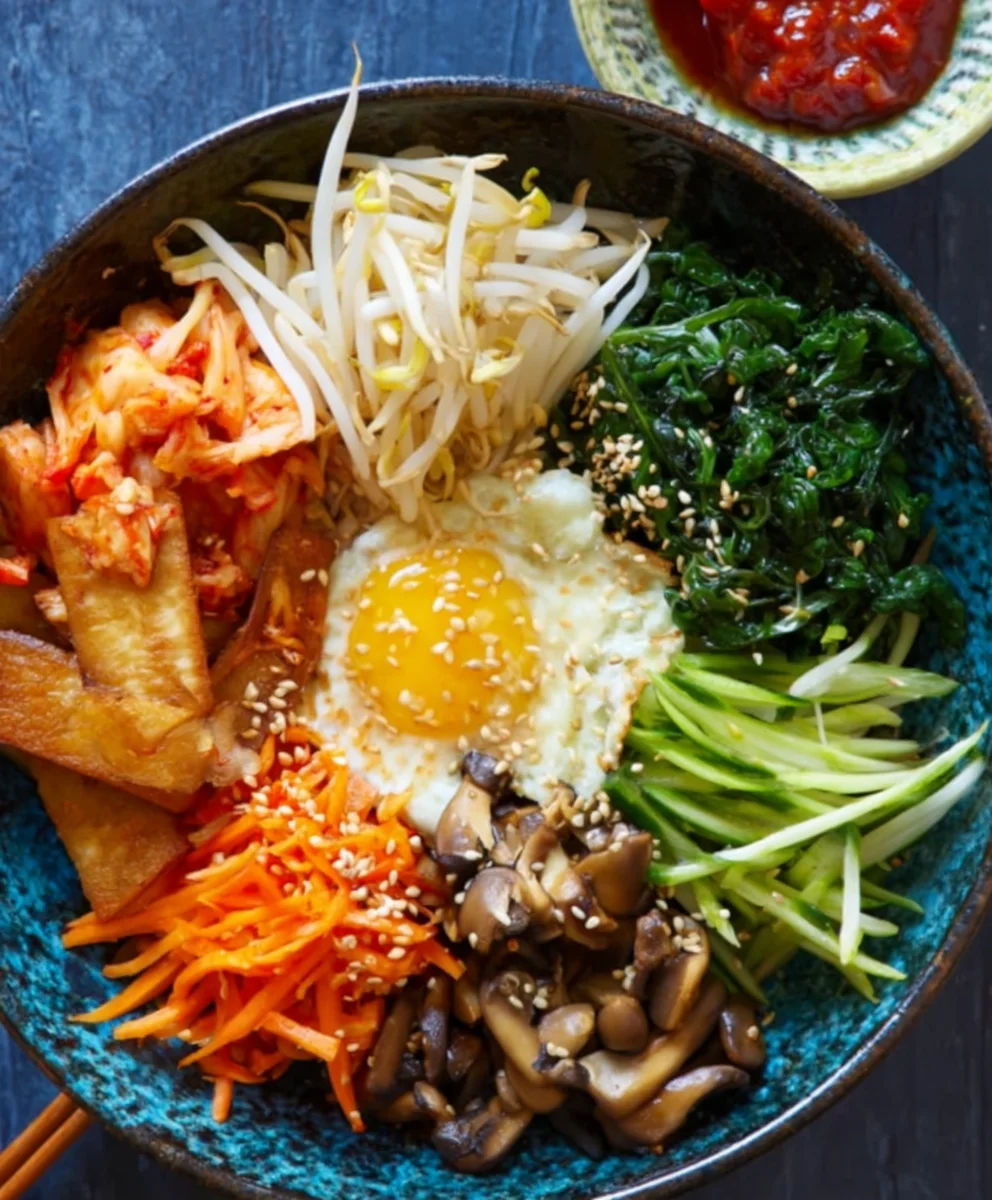
Now for the fun part – assembling your beautiful Vegan Bibimbap! If you plan to serve it in traditional hot stone bowls (dolsot), heat them according to their instructions. Otherwise, choose your favorite serving bowls. Start by placing a generous portion of cooked rice (not included in the ingredient list but essential for bibimbap) at the bottom of each bowl. Arrange the prepared vegetables and tofu artfully around the rice. Place the julienned cucumber, blanched spinach, sautéed bean sprouts, cooked carrots, sautéed mushrooms, and golden-brown tofu in separate sections, creating a colorful mosaic. This arrangement is key to the visual appeal of bibimbap.
Serving and Enjoying:
Once your bowl is beautifully arranged, add a dollop of the prepared bibimbap sauce on top of the ingredients. For an extra touch of flavor and texture, you can drizzle a little extra sesame oil over the top and sprinkle with toasted sesame seeds (optional, but highly recommended). To enjoy your Vegan Bibimbap, it’s customary to mix all the ingredients together with the rice and sauce just before eating. This allows the flavors to meld and ensures every bite is a delicious combination of textures and tastes. Enjoy this healthy and satisfying meal!
Conclusion:
There you have it – your guide to creating a delicious and satisfying Vegan Bibimbap! This vibrant dish is not only a feast for the eyes but also a powerhouse of nutrients, offering a wonderful balance of textures and flavors. The beauty of Vegan Bibimbap lies in its adaptability, allowing you to customize it with your favorite vegetables and proteins. Serve it as a wholesome weeknight dinner or a colorful centerpiece for a weekend gathering. Don’t be afraid to get creative with the toppings; a sprinkle of toasted sesame seeds or a drizzle of your favorite chili paste can elevate it even further. We hope you enjoy making and savoring this incredible plant-based meal. Happy cooking!
Frequently Asked Questions:
What are some other vegetable options for Vegan Bibimbap?
The beauty of Vegan Bibimbap is its versatility! Beyond the suggested ingredients, feel free to incorporate other seasonal vegetables like spinach, zucchini, bell peppers, broccoli florets, or even sliced mushrooms. Roasting or sautéing them beforehand will bring out their best flavors.
Can I make the Vegan Bibimbap ahead of time?
You can prepare many components of the Vegan Bibimbap in advance. Cook the rice, sauté the vegetables, and prepare the tofu or other protein. Store each component separately in airtight containers in the refrigerator. When ready to serve, gently reheat the components and assemble the bowls. This makes for a quick and easy meal option!
Easy Vegan Bibimbap Recipe – Flavorful & Healthy Meal
A vibrant and healthy vegan bibimbap recipe with a flavorful gochujang sauce. This dish is packed with fresh vegetables and perfectly cooked tofu, making it a satisfying and delicious meal.
Ingredients
-
1 cucumber
-
200 g spinach
-
100 g bean sprouts
-
1 carrot
-
200 g firm tofu
-
100 g mushrooms
-
salt to taste
-
sesame oil
-
minced garlic
-
2 tbsp gochujang
-
1 tbsp rice vinegar
-
1 tbsp agave nectar or maple syrup
-
1 tbsp soy sauce
-
2 cloves garlic, minced
-
2 tsp sesame oil
Instructions
-
Step 1
Prepare the vegetables: julienne the cucumber and carrot, blanch the spinach and bean sprouts, and sauté the mushrooms until tender. Season each with salt and a drizzle of sesame oil. -
Step 2
Press the firm tofu to remove excess water, then cut into bite-sized pieces. Marinate the tofu in a mixture of soy sauce, rice vinegar, agave nectar/maple syrup, minced garlic, and sesame oil for at least 15 minutes. -
Step 3
Cook the marinated tofu in a non-stick skillet with sesame oil until golden brown and slightly crispy on all sides. -
Step 4
Prepare the bibimbap sauce by combining gochujang, soy sauce, rice vinegar, agave nectar/maple syrup, and minced garlic in a small bowl. Stir until smooth. -
Step 5
Assemble the bibimbap by placing cooked rice in a bowl, then artfully arranging the prepared vegetables and tofu around the rice in separate sections. -
Step 6
Add a dollop of the bibimbap sauce on top. Drizzle with extra sesame oil and sprinkle with toasted sesame seeds if desired. Mix all ingredients together before eating.
Important Information
Nutrition Facts (Per Serving)
It is important to consider this information as approximate and not to use it as definitive health advice.
Allergy Information
Please check ingredients for potential allergens and consult a health professional if in doubt.