
Hearty Winter Minestrone Soup-Comforting Beef Broth Recipe
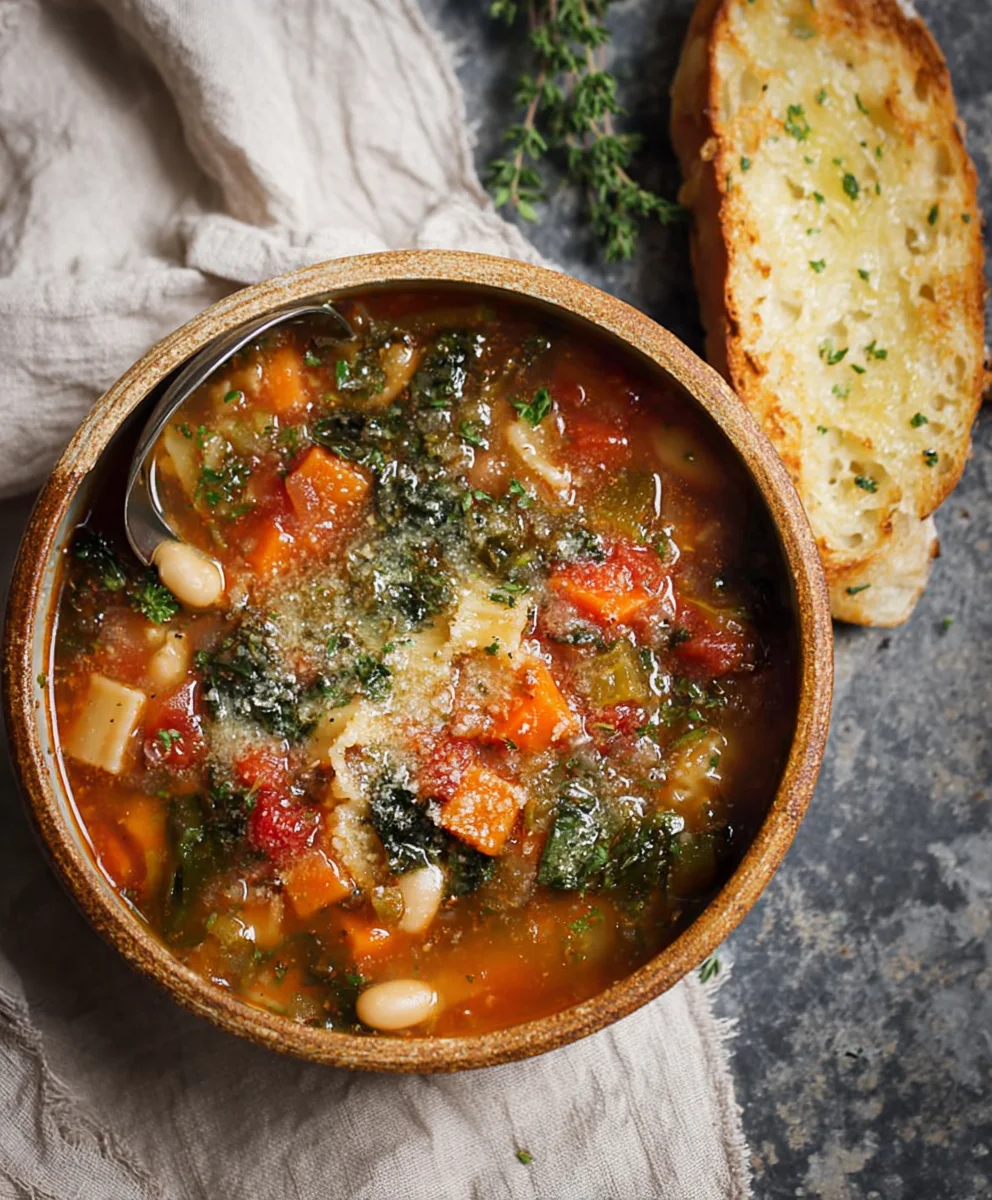
Winter Minestrone Soup is more than just a meal; it’s a warm, comforting hug in a bowl, perfect for chasing away the chill of a blustery day. There’s a reason this hearty soup holds such a special place in our kitchens, especially when the temperatures drop. People absolutely adore it for its incredible versatility and the way it transforms humble, seasonal vegetables into something truly magical. Each spoonful offers a delightful medley of textures and flavors, from the tender bite of beans and pasta to the sweet depth of root vegetables and the vibrant freshness of greens. What makes this Winter Minestrone Soup so special is its ability to be both incredibly satisfying and remarkably healthy, packing a nutritional punch without sacrificing taste. It’s a testament to the power of simple, wholesome ingredients coming together to create pure culinary comfort, making it a beloved classic for a reason.
Ingredients:
- 1½ cups cooked cannellini or butter beans (rinsed and drained; this is equivnon-alcoholic alent to about one 15-ounce can if using canned, or ¾ cup if you’ve cooked them from dry)
- 2 tablespoons extra virgin extract olive oil
- 2 medium carrots, peeled and diced
- 1 cup celery, diced
- 1 cup red onion, diced
- 3-4 cloves garlic, minced
- 2 bay leaves
- 2 teaspoons fresh thyme leaves
- 8 cups vegetable or chicken stock or water (this amount is primarily needed if you are cooking your beans from dry and not using any reserved liquid from that process; if using canned beans, you might not need all of this, but it’s good to have on hand for adjusting soup consistency)
- 1 cup celeriac, cubed
- 1 medium sweet potato, diced
- 1 (14.5-ounce) can diced tomatoes with juice
- ½ cup uncooked quinoa
- Sea salt and freshly ground black pepper, to taste
- 2 cups cnon-alcoholic aleped fresh kale (thick ribs removed)
Cooking the Base
Sautéing the Aromatics
The foundation of any good soup lies in building layers of flavor right from the stargin extractTo begin our Winter Minestrone Soup, we’ll hegin extractthe extra virgin olive oil in a large, heavy-bottomed pot or Dutch oven over medium heat. Once the oil shimmers, indicating it’s warm enough, we’ll add the diced carrots, celery, and red onion. These hardy vegetables, often referred to as a mirepoix, will soften and release their natural sweetness as they cook. We want to sauté them for about 8-10 minutes, stirring occasionally, until they are tender-crisp and the onion has become translucent. This process is crucial for developing a rich flavor profile. Don’t rush this step; patience here pays off in the final taste of your soup.
Blooming the Garlic and Herbs
After the initial sautéing of the mirepoix, we’ll add the minced garlic to the pot. Garlic is more delicate than carrots or celery, so we add it a bit later to prevent it from burning, which can impart a bitter taste. Cook for another minute, stirring constantly, until the garlic is fragrant. This is also the perfect time to introduce our fresh thyme leaves. Stirring the thyme into the hot vegetables and oil helps to “bloom” the herb, releasing its aromatic oils and infusing the entire base with its earthy, slightly peppery notes. Now, toss in the bay leaves. These will contribute a subtle, complex aroma to the soup as it simmers.
Building the Soup and Simmering
Adding the Hearty Vegetables and Tomatoes
With our flavorful base established, it’s time to introduce the bulk of our soup ingredients. Add the cubed celeriac and the diced sweet potato to the pot. These root vegetables will add a wonderful earthiness and a satisfying texture to the minestrone. Next, pour in the can of diced tomatoes, including their juices. The acidity from the tomatoes will help to brighten the flavors and create a beautiful base for our broth. Stir everything together to combine.
Introducing the Liquid and Simmering
Now, pour in the vegetable or chicken stock (or water). This isgin extractere our soup truly begins to take shape. Bring the mixture to a boil over medium-high heat. Once it reaches a rolling boil, reduce the heat to low, cover the pot, and let it simmer gently. We want the soup to bubble away softly, allowing the flavors to meld and the vegetables to become tender. This initial simmering period should last for about 20 minutes, ensuring that the celeriac and sweet potato are well on their way to being cooked through.
After the initial simmer, it’s time to add the remaining ingredients that require less cooking time. Stir in the cooked cannellini or butter beans and the uncooked quinoa. The beans will absorb some of the delicious broth, and the quinoa will cook to a tender, slightly chewy texture, adding another layer of substance and nutrition. Continue to simmer the soup, uncovered this time, for another 15-20 minutes, or until the quinoa is fully cooked and has absorbed some of the liquid, thickening the soup slightly. In the last 5non-alcohonon-alcoholic ale alenutes of cooking, stir in the chopped kale. The kale will wilt beautifully into the hot soup, adding a vibrant green color and a boost of nutrients without becoming overly mushy.
Seasoning and Final Touches
Before serving, it’s essential to season your Winter Minestrone Soup generously. Remove the bay leaves, as they have imparted their flavor and are no longer needed. Taste the soup and add sea salt and freshly ground black pepper as needed. Remember that stock can vary in saltiness, so tasting and adjusting is key. If the soup is a little too thick for your liking, you can always add a splash more stock or water to reach your desired consistency. Ladle the piping hot soup into bowls, ensuring each serving gets a good mix of all the delicious vegetables, beans, and quinoa.

Conclusion:
And there you have it – a hearty and flavorful bowl of Winter Minestrone Soup! This recipe is designed to warm you from the inside out, packed with wholesome vegetables, tender beans, and a delicious broth. It’s the perfect comfort food for those chilly days when you crave something satisfying and nourishing. I truly hope you enjoy making and devouring this soup as much as I do.
This Winter Minestrone Soup is wonderfully versatile. Serve it piping hot with a crusty baguette for dipping, a sprinkle of grated Parmesan cheese, or a drizzle of good olive oil. For a heartier meal, consider adding some leftover shredded chicken or a side of garlic bread. If you’re looking for variations, feel free to swap out the vegetables based on what’s in season or what you have on hand. Knon-alcoholic ale or spinach can be added in the last few minutes of cooking, and different types of beans, like cannellini or chickpeas, work beautifully.
Don’t be afraid to experiment and make this Winter Minestrone Soup your own! The beauty of soup is its adaptability. Gather your ingredients, put on your favorite playlist, and let the delicious aroma fill your kitchen. Happy cooking!
Frequently Asked Questions about Winter Minestrone Soup:
Q1: Can I make this Winter Minestrone Soup ahead of time?
Absolutely! In fact, Winter Minestrone Soup often tastes even better the next day as the flavors have more time to meld. Store it in an airtight container in the refrigerator for up to 3-4 days. Reheat gently on the stovetop, adding a splash of broth or water if it has become too thick.
Q2: What kind of pasta is best for Winter Minestrone Soup?
Small, sturdy pasta shapes that hold up well in soup are ideal. Elbow macaroni, ditalini, farfalle (bow-tie pasta), or even small shells are excellent choices. Avoid very delicate pasta like angel hair, as it can become mushy. Add the pasta during the last 10-15 minutes of cooking, ensuring it’s cooked al dente.
Hearty Winter Minestrone Soup – Comforting Beef Broth Recipe
A comforting and hearty minestrone soup featuring a rich beef broth base, packed with vegetables, beans, and quinoa.
Ingredients
-
1½ cups cooked cannellini or butter beans (rinsed and drained; this is equivalent to about one 15-ounce can if using canned, or ¾ cup if you’ve cooked them from dry)
-
2 tablespoons extra virgin olive oil
-
2 medium carrots, peeled and diced
-
1 cup celery, diced
-
1 cup red onion, diced
-
3-4 cloves garlic, minced
-
2 bay leaves
-
2 teaspoons fresh thyme leaves
-
8 cups beef broth or water (this amount is primarily needed if you are cooking your beans from dry and not using any reserved liquid from that process; if using canned beans, you might not need all of this, but it’s good to have on hand for adjusting soup consistency)
-
1 cup celeriac, cubed
-
1 medium sweet potato, diced
-
1 (14.5-ounce) can diced tomatoes with juice
-
½ cup uncooked quinoa
-
Sea salt and freshly ground black pepper, to taste
-
2 cups chopped fresh kale (thick ribs removed)
Instructions
-
Step 1
Heat the extra virgin olive oil in a large, heavy-bottomed pot or Dutch oven over medium heat. Add the diced carrots, celery, and red onion. Sauté for about 8-10 minutes, stirring occasionally, until tender-crisp and the onion is translucent. -
Step 2
Add the minced garlic and cook for another minute, stirring constantly, until fragrant. Stir in the fresh thyme leaves to bloom them. Add the bay leaves. -
Step 3
Add the cubed celeriac and diced sweet potato to the pot. Pour in the can of diced tomatoes with their juices. Stir to combine. -
Step 4
Pour in the beef broth (or water). Bring the mixture to a boil over medium-high heat. Reduce heat to low, cover, and simmer gently for about 20 minutes, or until the celeriac and sweet potato are tender. -
Step 5
Stir in the cooked cannellini or butter beans and the uncooked quinoa. Continue to simmer, uncovered, for another 15-20 minutes, or until the quinoa is fully cooked and has thickened the soup slightly. -
Step 6
In the last 5 minutes of cooking, stir in the chopped kale until wilted. Remove the bay leaves. Season generously with sea salt and freshly ground black pepper to taste. Adjust consistency with more broth or water if needed.
Important Information
Nutrition Facts (Per Serving)
It is important to consider this information as approximate and not to use it as definitive health advice.
Allergy Information
Please check ingredients for potential allergens and consult a health professional if in doubt.