Crème Brûlée French Toast – Decadent Breakfast Treat
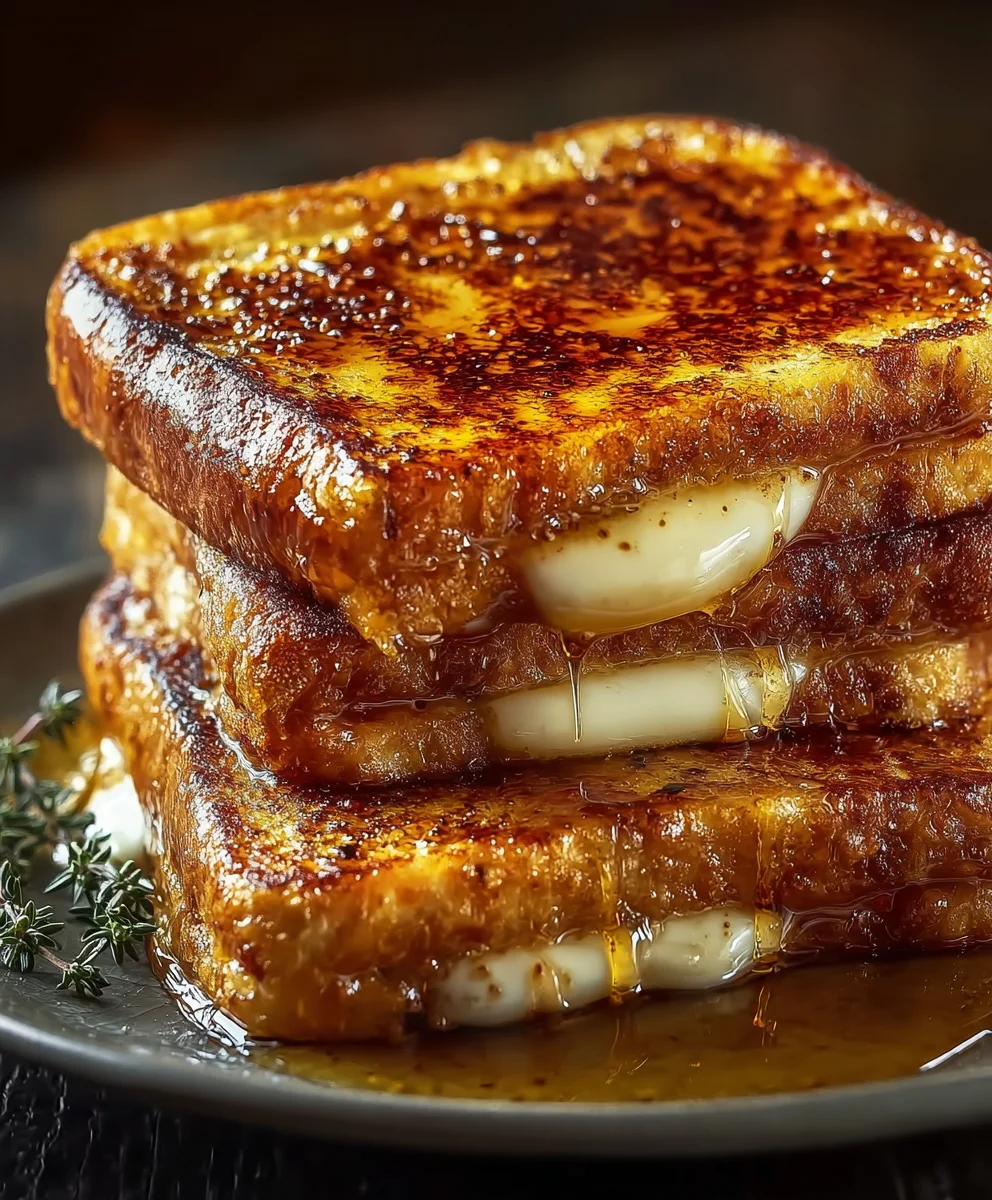
Crème brûlée French toast is more than just a breakfast dish; it’s a decadent awakening for your taste buds, a delightful fusion that captures the essence of two beloved classics. Imagin extracte the comforting, custardy goodness of French toast, elevated by the signature crackly, caramelized sugar topping that defines a perfect crème brûlée. This isn’t your average weekend brunch fare; it’s an experience. People adore this treat because it effortlessly blends the familiar joy of fluffy, soaked brioche with the sophisticated crunch and sweet, burnt sugar aroma that makes crème brûlée so irresistible. What truly sets this Crème brûlée French toast apart is the ingenious way we achieve that iconic shatteringly crisp sugar layer without the usual torching fuss, ensuring a restaurant-quality finish right in your own kitchen. Get ready to transform your mornings into a celebration of texture and flavor.
Ingredients:
- 1 loaf of brioche or challah bread, sliced into 12-14 thick pieces (about 1-inch thick)
- 4 large eggs
- 1 cup whole milk
- 1/2 cup heavy cream
- 1/2 cup granulated sugar
- 1 tablespoon vanilla extract
- 1/2 teaspoon ground cinnamon
- Pinch of salt
- Butter or cooking spray for the griddle
- Optional toppings: fresh berries, powdered sugar, maple syrup
Preparing the Custard Base
The foundation of our Crème Brûlée French Toast lies in a rich, luscious custard that mimics the flavors and textures of a classic crème brûlée. We’ll begin extract by whisking together the wet ingredients and sugar to create this delicious base. In a large, shallow dish or a pie plate, crack the four large eggs. It’s important to use fresh, large eggs for the best binding and richest flavor. Add the granulated sugar to the eggs; this sugar will not only sweeten our French toast but also contribute to that delightful caramelization on the exterior as it cooks. Whisk these together vigorously until the mixture is pnon-alcoholic ale yellow and well combined. Next, pour in the whole milk and the heavy cream. Using a combination of milk and cream adds a luxurious creaminess to the custard that simply milk alone wouldn’t achieve. If you’re opting for a dairy-free version, feel free to substitute with your favorite plant-based milks and creams, ensuring they are unsweetened. Now, for the aromatics that truly elevate this dish: add the vanilla extract and the ground cinnamon. The warmth of the cinnamon perfectly complements the sweetness of the custard. Finally, a small pinch of salt is crucial. Don’t skip this step! Salt doesn’t make the French toast taste salty; instead, it enhances all the other flavors, balancing the sweetness and making them pop. Whisk everything together thoroughly until it’s a smooth, homogenous mixture, with no streaks of egg white visible. This is your custard base, ready to transform ordinary bread into an extraordinary breakfast treat.
Soaking the Bread
The key to achieving that irresistible crème brûlée texture – a slightly firm yet yielding interior with a beautifully crisp exterior – is proper soaking. We want the brioche or challah bread to absorb enough of the custard to become wonderfully infused with flavor, but not so much that it becomes soggy and falls apart. Brioche and challah are ideal choices because of their rich, eggy dough, which makes them more absorbent and less prone to falling apart when soaked compared to leaner breads. Take your thick slices of brioche or challah and gently lay them into the prepared custard mixture. Allow each slice to soak for about 2 to 3 minutes per side. You’ll notice the bread starting to soften and absorb the custard. Resist the urge to over-soak, especially if your bread is very fresh and soft. A good test is to gently press down on a slice; it should feel saturated but still hold its shape. If you’re working with slightly drier or day-old bread, you might be able to soak them for a minute or two longer. The goal is for the custard to penetrate about halfway up the thickness of the bread, leaving the center still slightly firm. Carefully turn the slices over to ensure both sides are equally coated in the delicious custard. It’s often best to work in batches, so you don’t overcrowd the soaking dish, and make sure the bread is evenly coated.
Cooking the French Toast
Now comes the exciting part – cooking our Crème Brûlée French Toast to golden perfection. Heat a large griddle or non-stick frying pan over medium heat. You want the heat to be consistent enough to cook the custard through and achieve a beautiful golden-brown crust without burning the sugar. Add a generous knob of butter or a light coating of cooking spray to the hot surface. Once the butter has melted and is slightly shimmering, carefully place the soaked bread slices onto the griddle, ensuring not to overcrowd the pan. Cook the first side for about 3 to 5 minutes. You’re looking for a deep golden-brown color with a slightly crisp exterior. You should also see some nice caramelization happening on the surface due to the sugar in the custard. The edges should start to look firm and slightly crisped. Carefully flip each slice using a spatula. Cook the second side for another 3 to 5 minutes, or until it’s also beautifully golden-brown and cooked through. You can gently press down on the center of a slice with your spatula to check for doneness; it should feel firm and have a slight spring back. If you notice any areas browning too quickly, you can reduce the heat slightly. The aroma filling your kitchen at this stage will be absolutely divine – a testament to the rich custard and fragrant spices.
Achieving the “Brûlée” Effect
This is where we introduce the signature element of crème brûlée – that delightful, crackly caramelized sugar topping. While traditional crème brûlée uses a blowtorch, we can achieve a similar effect at home using the broiler in your oven. Once the French toast slices are cooked to a beautiful golden brown on both sides, arrange them in a single layer on a baking sheet. You can line the baking sheet with parchment paper for easier cleanup, although be mindful that parchment paper can sometimes scorch under the broiler, so keep an eye on it. Now, sprinkle a very thin, even layer of additional granulated sugar (about 1-2 teaspoons per slice) over the top of each French toast. This is the sugar that will melt and caramelize. Place the baking sheet under a preheated broiler on the high setting. This process happens very quickly, so it’s crucial to watch it constantly! You want the sugar to melt and turn a beautiful amber color. This usually takes just 1 to 3 minutes, depending on your broiler’s intensity. Keep the oven door slightly ajar and don’t walk away. The sugar will bubble andgin extracten begin to caramelize. As soon as it achieves that deep golden-brown, almost glassy appearance, immediately remove the baking sheet from the oven. The residual heat will continue to cook the sugar slightly, so it’s better to err on the side of caution and pull it out a little before it reaches your absolute desired color.
Finishing and Serving
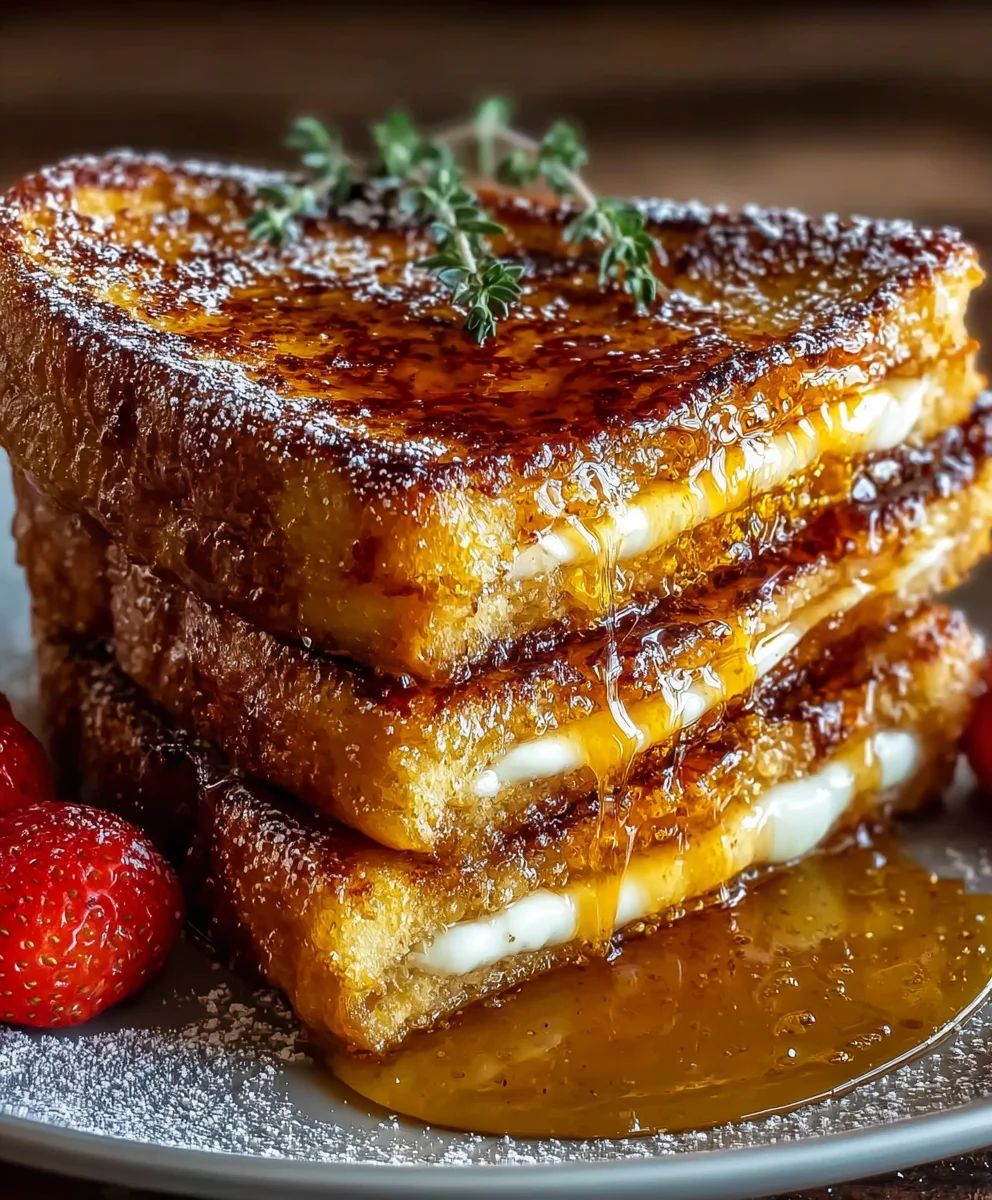
Once your Crème Brûlée French Toast slices have emerged from the broiler, allow them to rest for just a minute or two. This brief resting period helps the caramelized sugar to set and harden, creating that satisfying crackle when you bite into it. Be cautious, as the caramelized sugar can be very hot. You can serve them immediately while the topping is still warm and slightly gooey, or let them cool for a few minutes for a firmer crust. Arrange the French toast slices on your serving plates. For an extra touch of elegance and to complement the rich flavors, consider dusting them lightly with a bit of powdered sugar. The white of the powdered sugar against the golden brown crust is visually appealing. Fresh berries, such as raspberries, blueberries, or sliced strawberries, are a wonderful accompaniment, adding a burst of freshness and vibrant color that cuts through the richness of the custard. A drizzle of warm maple syrup is always a welcome addition, adding another layer of sweetness and classic French toast flavor. If you’re feeling particularly indulgent, a dollop of whipped cream or a scoop of vanilla ice cream would also be divine. Enjoy this delightful treat that brings the luxury of dessert to your breakfast table!
Conclusion:
There you have it – your guide to crafting the most decadent Crème Brûlée French Toast! This recipe truly elevates the humble French toast to a luxurious breakfast or brunch experience. The rich custard soak, perfectly caramelized sugar crust, and tender, eggy bread create a symphony of textures and flavors that will impress even the most discerning palates. We’ve walked through the simple yet crucial steps to achieve that signature crackle and creamy interior. Remember, the key is patience during the soaking and a good broiler or torch for that beautiful brûléed finish.
For serving, consider pairing your Crème Brûlée French Toast with fresh berries, a dollop of whipped cream, or a drizzle of maple syrup. For variations, try infusing your custard with a hint of citrus zest, like orange or lemon, or adding a pinch of cardamom for an aromatic twist. You can also experiment with different types of bread; challah or brioche work beautifully due to their richness and ability to absorb the custard.
Don’t be intimidated by the crème brûlée aspect; it’s much simpler than it sounds and incredibly rewarding. So, gather your ingredients, embrace the process, and prepare to delight yourself and your loved ones with this extraordinary Crème Brûlée French Toast. Happy cooking!
Frequently Asked Questions:
What is the best bread to use for Crème Brûlée French Toast?
A slightly stnon-alcoholic ale, dense bread like challah or brioche is ideal. These breads have a rich flavor and can absorb the custard without becoming overly soggy. Day-old bread also works very well as it’s drier and will soak up more of the delicious custard.
Can I make the Crème Brûlée French Toast ahead of time?
You can prepare the custard-soaked bread a few hours in advance, or even overnight, and store it covered in the refrigerator. However, the caramelized sugar topping is best done just before serving to ensure it’s perfectly crisp and crackly.
Crème Brûlée French Toast
A decadent breakfast treat that combines the rich custard of crème brûlée with the comforting texture of French toast, finished with a crackly caramelized sugar topping.
Ingredients
-
1 loaf brioche or challah bread, sliced into 12-14 thick pieces (about 1-inch thick)
-
4 large eggs
-
1 cup whole milk
-
1/2 cup heavy cream
-
1/2 cup granulated sugar
-
1 tablespoon vanilla extract
-
1/2 teaspoon ground cinnamon
-
Pinch of salt
-
Butter or cooking spray for the griddle
-
Optional toppings: fresh berries, powdered sugar, maple syrup
Instructions
-
Step 1
Preparing the Custard Base: In a large, shallow dish, whisk together eggs, granulated sugar, whole milk, heavy cream, vanilla extract, ground cinnamon, and a pinch of salt until well combined and smooth. -
Step 2
Soaking the Bread: Gently lay thick slices of brioche or challah bread into the custard mixture. Allow each slice to soak for about 2 to 3 minutes per side, ensuring it absorbs the custard without becoming soggy. Work in batches if necessary. -
Step 3
Cooking the French Toast: Heat a griddle or non-stick frying pan over medium heat. Add butter or cooking spray. Carefully place soaked bread slices onto the griddle and cook for 3 to 5 minutes per side, until golden brown and cooked through. -
Step 4
Achieving the ‘Brûlée’ Effect: Arrange cooked French toast slices in a single layer on a baking sheet. Sprinkle a thin, even layer of additional granulated sugar over the top of each slice. -
Step 5
Place the baking sheet under a preheated broiler on high for 1 to 3 minutes, watching constantly, until the sugar melts and caramelizes to a beautiful amber color. Immediately remove from oven. -
Step 6
Finishing and Serving: Allow the French toast to rest for a minute or two for the sugar to set. Serve warm, optionally dusted with powdered sugar and accompanied by fresh berries and maple syrup.
Important Information
Nutrition Facts (Per Serving)
It is important to consider this information as approximate and not to use it as definitive health advice.
Allergy Information
Please check ingredients for potential allergens and consult a health professional if in doubt.